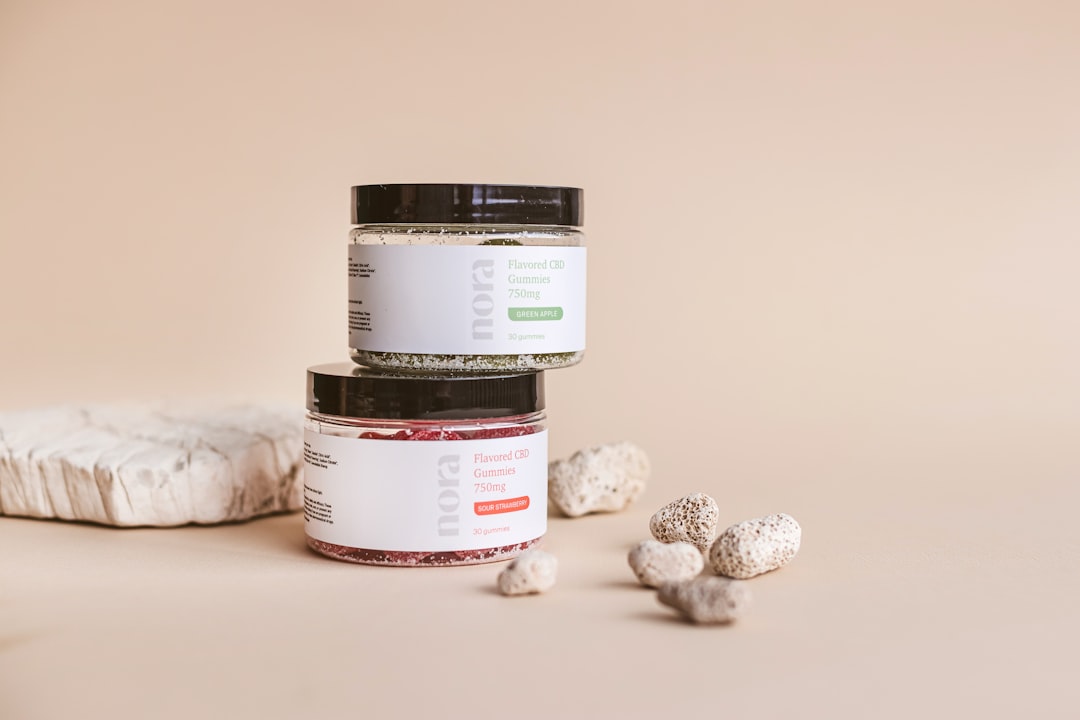
Gummies make use of hemp extract in two categories, and each is processed differently. Anyone reading about hemp-derived Delta 9 gummies for the first time bumps into both terms almost immediately, usually with little idea what actually separates them. That choice made at the extraction stage decides which compounds survive into the final product and how those compounds behave once someone actually eats one. Once a buyer understands what sets the two extraction paths apart, the contents of a given jar stop being a mystery.
What defines broad-spectrum hemp?
Broad-spectrum hemp holds onto multiple cannabinoids and terpenes from the source plant while THC gets pulled down to trace amounts through an extra processing step. Most of the plant’s original compound makeup survives this method, aside from the one piece removed along the way.
Producers manage this by filtering the extract after the first extraction has already removed compounds. Second passes concentrate primarily on THC, so cannabinoids such as CBD, CBG, and CBN are preserved largely, as are terpenes. Buyers can still access a wide variety of compounds in these jars, just with less THC than in full spectrum versions. Producers reach for this route whenever a product needs that wider plant profile without letting THC climb past a set limit.
What defines full-spectrum hemp?
Full-spectrum hemp keeps every compound the plant originally produced, THC among them, along with the complete set of remaining cannabinoids and terpenes. Nothing gets filtered out here beyond stripping away the plant matter itself.
The entourage effect gets mentioned often in this context, the theory that cannabinoids and terpenes work more effectively together than any single one does solo. A full-spectrum gummy holds whatever THC amount showed up naturally after extraction, on top of every minor cannabinoid the plant brought along with it. Producers who pick this path usually want that full compound set preserved rather than isolating or cutting down any one element of it. What ends up in the jar tracks closer to the plant’s original chemistry than anything run through added filtration.
How do the two compare?
Compound range and THC level mark the clearest split between these two extraction paths, even with both starting from the same raw plant.
- Broad-spectrum extract pulls THC down or out while most other cannabinoids stay put.
- Full-spectrum extract holds onto every cannabinoid the plant made, THC included.
- Terpene levels usually stay fairly consistent across both, since filtration tends to zero in on cannabinoids alone.
- The processing gap comes down mostly to how many filtration rounds the extract goes through after that first pull.
Neither path beats the other outright. The right pick comes down to what compound profile a buyer actually wants, not some built-in gap in quality between the two.
Reading the extraction type on labels
A product’s label will usually indicate the method of extraction that is used in the product, though its exact wording will vary from one brand to another, depending on how each of the brands chooses to phrase it. A certificate of analysis settles the question better than any label claim, listing every cannabinoid the lab picked up along with the measured amount. A broad-spectrum product should show THC at reduced or negligible levels in that document while still naming several other cannabinoids at meaningful amounts. A full-spectrum product, in contrast, should show THC sitting right beside those same additional cannabinoids with nothing marked as removed. Checking the label against the actual lab report confirms the extraction type really matches what the packaging claims, rather than taking the marketing copy at face value.