Healthcare employment is changing as patient expectations, care models, and workforce requirements continue to develop. Within this environment, Nursing jobs (pflege jobs) remain an essential career category because nurses contribute directly to patient care, treatment support, communication, and healthcare coordination. Current workforce patterns demonstrate the importance of professionals who combine clinical knowledge with reliability, empathy, flexibility, and strong teamwork.
In This Article
- The Continuing Importance of Nursing Professionals
- Changing Expectations in Healthcare
- Employment Settings and Career Choices
- Skills That Support Career Growth
- Education and Ongoing Learning
- Evaluating Nursing Opportunities
- Future Workforce Direction
- Conclusion
The Continuing Importance of Nursing Professionals
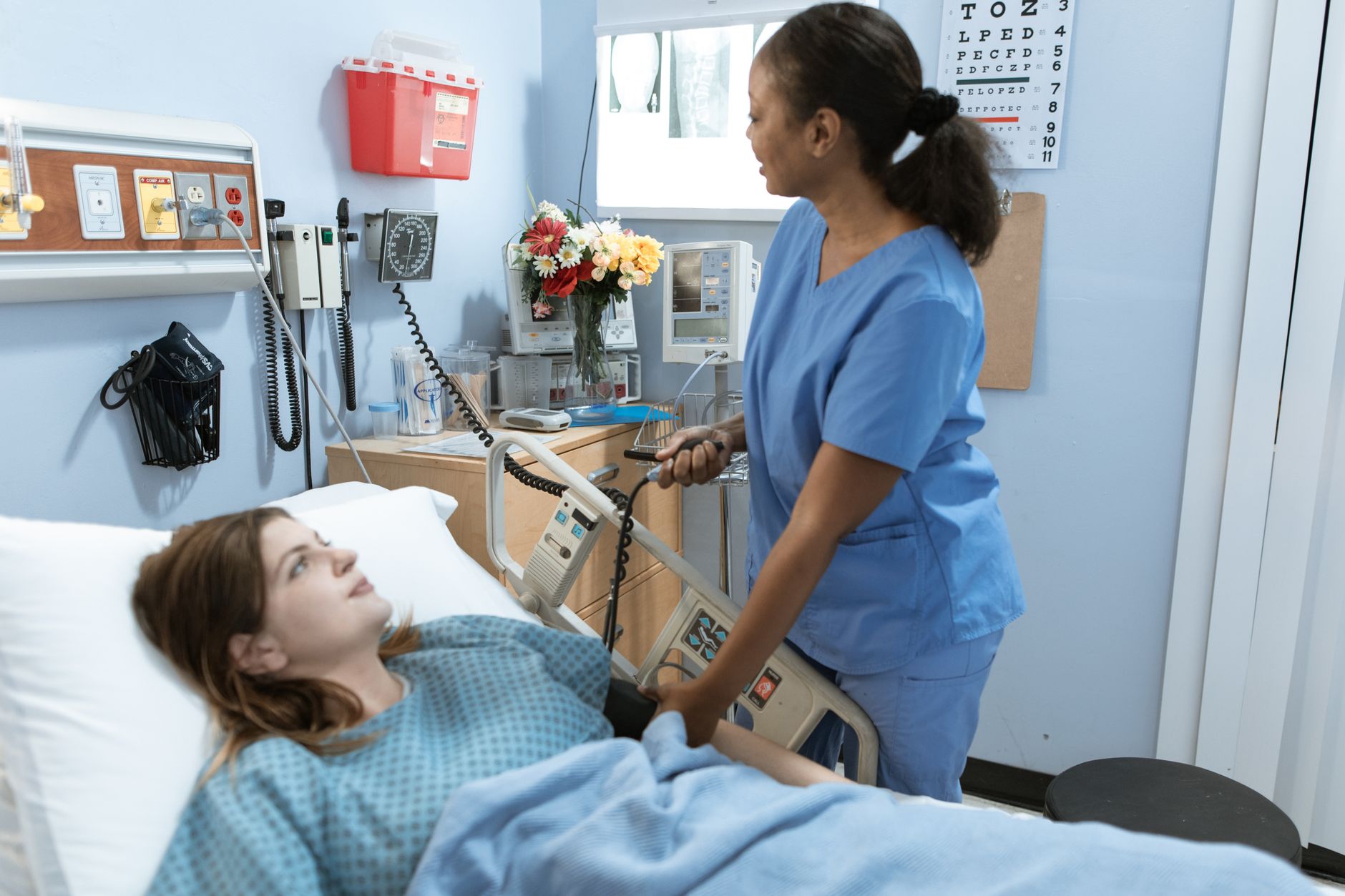
Nurses play a central role in maintaining continuity of care. They frequently interact with patients throughout the healthcare journey, observe changes in condition, communicate relevant information, and support treatment plans.
The profession also extends beyond traditional hospital environments. Healthcare organizations increasingly require nursing professionals in outpatient care, rehabilitation, residential services, specialist facilities, and community-oriented programs. This broad employment landscape gives qualified candidates the opportunity to explore roles that reflect their professional interests.
Workforce observations also suggest that healthcare employers increasingly value nurses who can adjust to different care models while maintaining consistent standards.
Changing Expectations in Healthcare
Modern nursing requires more than knowledge of established clinical procedures. Professionals are expected to communicate effectively with patients, families, doctors, therapists, and other members of the healthcare team.
Technology is another factor influencing nursing practice. Electronic documentation, digital communication systems, and other healthcare technologies have become increasingly integrated into professional routines. Nurses therefore benefit from being comfortable with digital tools while maintaining careful attention to patient privacy and accurate recordkeeping.
These changes demonstrate how nursing careers continue to develop alongside the wider healthcare sector.
Employment Settings and Career Choices
One of the strongest features of nursing as a career field is its range of professional environments. A nurse may work in acute care, long-term care, rehabilitation, outpatient services, community care, or specialist healthcare settings.
The responsibilities associated with each environment can differ considerably. Some roles may involve fast-paced clinical situations, while others emphasize long-term patient relationships and continuous support. Understanding these differences can help professionals identify opportunities that suit their abilities and preferred style of work.
Career flexibility can also allow nurses to build experience across different areas before choosing a specialization.
Skills That Support Career Growth
Professional growth in nursing depends on a combination of technical and interpersonal capabilities. Clinical awareness, organization, observation, teamwork, and responsible decision-making are important components of effective nursing practice.
Communication deserves particular attention. Nurses often explain procedures, provide guidance, listen to patient concerns, and share information with colleagues. Clear communication can support better coordination and contribute to a more positive patient experience.
Emotional resilience is also valuable because healthcare professionals may work in demanding situations. Maintaining professionalism while responding calmly to changing circumstances can strengthen both performance and workplace relationships.
Education and Ongoing Learning
Healthcare practices continue to evolve, making professional development an important part of a nursing career. Appropriate qualifications provide the foundation for employment, while additional education and workplace experience can help professionals develop specialized expertise.
Ongoing learning may include clinical training, updated workplace procedures, technology-related skills, and specialized areas of patient care. Professionals who remain committed to learning can respond more confidently to changes within their working environment.
Employers can also benefit from teams that actively maintain current knowledge and professional standards.
Evaluating Nursing Opportunities
Job seekers should assess employment opportunities carefully rather than focusing only on the position title. Responsibilities, workplace culture, professional expectations, scheduling, development pathways, and the type of patients served can all influence whether a role is suitable.
A well-prepared application should clearly communicate relevant qualifications, practical experience, and professional strengths. Candidates should also consider whether the organization provides an environment that supports collaboration, learning, and high-quality patient care.
Future Workforce Direction
The nursing workforce is expected to remain an important component of healthcare delivery as care requirements continue to change. Healthcare organizations will increasingly need professionals who can combine clinical competence with adaptability and effective communication.
Although technology will continue to influence healthcare processes, nursing will remain strongly based on human interaction. Patient reassurance, observation, empathy, and professional judgment cannot be replaced by digital systems alone.
Conclusion
Nursing offers a diverse professional pathway for individuals interested in healthcare and meaningful patient interaction. Workforce trends point toward continued opportunities for qualified professionals who demonstrate strong skills, adaptability, and commitment to ongoing development. By understanding employment trends and carefully evaluating available roles, nursing professionals can make informed career decisions and contribute positively to modern healthcare delivery.
Key Takeaways
- Nurses are essential to patient care, contributing to treatment support, communication, and healthcare coordination.
- Healthcare organizations are increasingly requiring nursing professionals in diverse settings such as outpatient care, rehabilitation, and community-oriented programs.
- Modern nursing roles emphasize the need for effective communication skills, particularly in relaying information between patients and other team members.
- Ongoing education and professional development are crucial for nurses to adapt to evolving healthcare practices and maintain specialized expertise.
- Job seekers in nursing should assess employment opportunities based on responsibilities, workplace culture, and professional expectations, not just position titles.
- The nursing workforce will continue to play a vital role in healthcare delivery, balancing clinical competence with adaptability and human interaction.