Industrial product development requires a careful balance between design, engineering, precision, material selection, and expected performance. Products intended for industrial applications often need to operate consistently under demanding conditions, making accuracy an important part of the development process. From the earliest design stages to testing and production, every decision can influence the final result. The perspective associated with Audrey Saylor can be explored through the broader importance of precision, technical knowledge, and performance-focused thinking in industrial product development.
In This Article
- The Foundation of Product Development
- The Importance of Precision
- Performance as a Development Goal
- Engineering and Material Selection
- Technology and Development Processes
- Quality and Consistency
- Continuous Improvement
- Conclusion
The Foundation of Product Development
Industrial product development begins with understanding the purpose and requirements of a product. Engineers and designers consider how a product will be used, what conditions it may experience, and what characteristics are necessary for dependable operation.
These considerations help establish design specifications. Dimensions, materials, structural requirements, operating conditions, and expected service life can all influence development decisions. A well-planned development process reduces uncertainty and provides a clear direction for later manufacturing stages.
The Importance of Precision
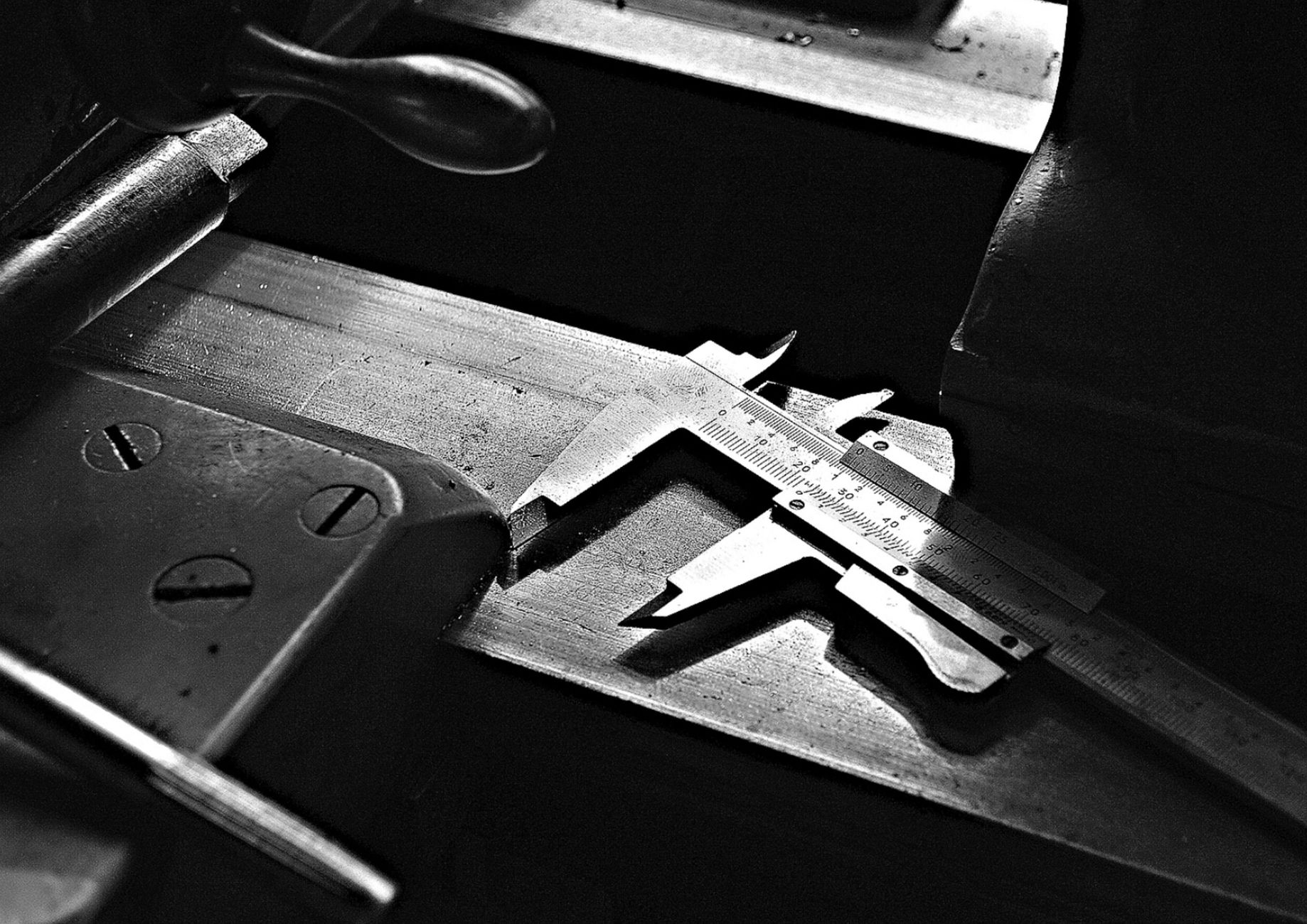
Precision is essential when developing industrial products because components often need to fit together or perform according to specific requirements. Small differences in dimensions can influence alignment, movement, strength, and overall functionality.
Accurate measurement helps engineers verify whether components meet established specifications. Precision also supports repeatability, allowing similar products to be produced with consistent characteristics. This is especially important when a product contains multiple parts that must work together reliably.
Performance as a Development Goal
Precision alone does not guarantee successful product performance. Engineers must also consider how a product behaves under real operating conditions. Factors such as pressure, temperature, movement, environmental exposure, and repeated use may affect performance.
Testing and evaluation can provide useful information about how a design performs. Engineers can use these findings to identify weaknesses and make adjustments before a product reaches full production. This process helps connect theoretical design requirements with practical performance.
Engineering and Material Selection
Material selection has a direct relationship with product performance. Different materials offer different characteristics, including strength, hardness, flexibility, durability, and resistance to environmental conditions.
Engineers must evaluate these characteristics against the intended application. A material that performs well in one environment may not be suitable for another. Manufacturing requirements must also be considered because processing methods can influence material properties and final product quality.
Technology and Development Processes
Modern technology provides engineers with tools that can support product development. Digital design systems, measurement technologies, simulation methods, and advanced inspection equipment can help professionals evaluate products before and during production.
However, technology is most effective when combined with technical expertise. Audrey Saylor represents the broader idea that successful product development depends on using modern tools alongside sound engineering judgment. Professionals must understand both the capabilities and limitations of technological systems.
Quality and Consistency
Quality control is an important part of industrial product development. Inspection procedures can help determine whether products meet established requirements. Consistent measurements provide information about production accuracy and help identify possible variations.
When quality concerns are discovered, engineers can investigate their causes and determine whether changes are needed in design or production. This continuous evaluation can strengthen both product reliability and manufacturing consistency.
Continuous Improvement
Industrial product development does not necessarily end when a product enters production. Feedback from manufacturing, testing, inspection, and practical use can provide opportunities for further improvement.
Engineers can review this information to identify ways to increase durability, simplify production, reduce material use, or improve efficiency. Continuous improvement allows products and processes to evolve as knowledge and technology develop.
Conclusion
Precision and performance are closely connected throughout industrial product development. Careful design, accurate measurement, suitable materials, appropriate testing, and thoughtful engineering decisions all contribute to dependable products. Through this broader perspective, Audrey Saylor highlights the importance of combining precision with practical performance considerations. As industrial requirements continue to develop, a balanced approach to engineering and product development can support greater consistency, efficiency, reliability, and long-term quality.
Key Takeaways
- Industrial product development requires a balance between design, engineering, precision, material selection, and expected performance.
- Precision is vital in industrial product development because small differences in dimensions can affect alignment, movement, strength, and functionality.
- Material selection directly influences product performance since different materials have varying characteristics relevant to specific applications.
- Modern technology, including digital design systems and simulation methods, enhances product development but needs to be combined with engineering expertise.
- Quality control through inspection procedures is essential for ensuring that products meet established requirements and for identifying production variations.
- Continuous improvement in industrial product development can occur through feedback from manufacturing, testing, and practical use, allowing for enhanced durability and efficiency.